Which tabletop games can I play?
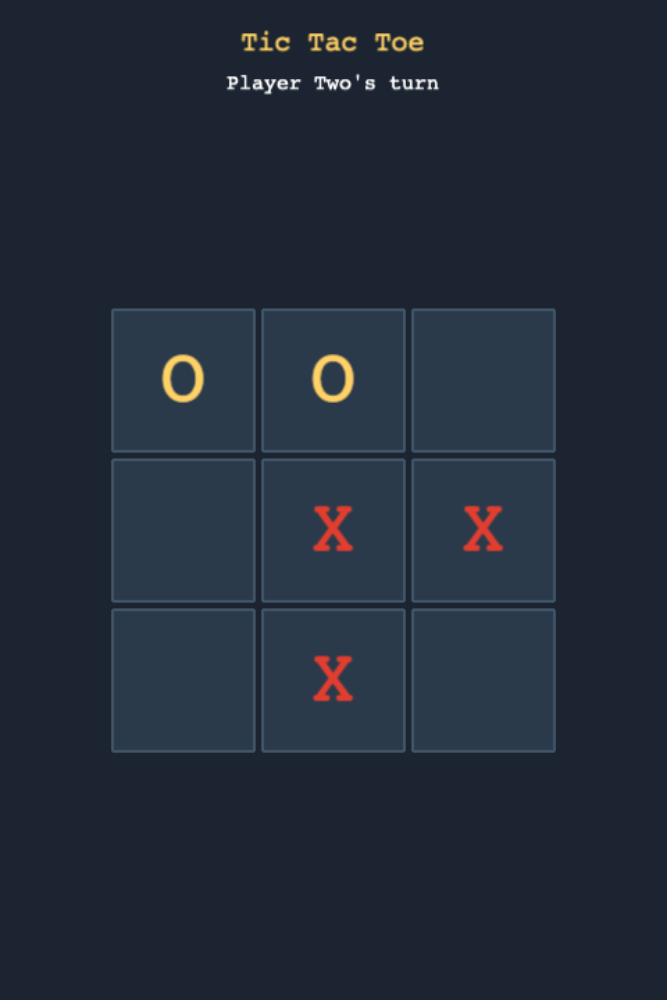
The cabinet includes tic-tac-toe, Connect Four, and full checkers. Checkers includes compulsory jumps, kings, and promotion. Each game has its own board and rules, giving a player a choice between a quick round and a longer match. A turn-based ruleset also gives a small group time to discuss a move before play continues.
Can a friend play from another device?
The sample offers play against the computer or a friend on the same screen. It can also support online turns when the game has its database connection. That makes the collection a clear example of how one product can offer solo, local, and connected ways to play.
How does the computer opponent behave?
The tic-tac-toe opponent is described as unbeatable, while Connect Four looks for wins and blocks losing moves. Checkers follows its full movement rules rather than skipping captures. These different behaviours help a founder see that each board game needs a strategy matched to its own rules.